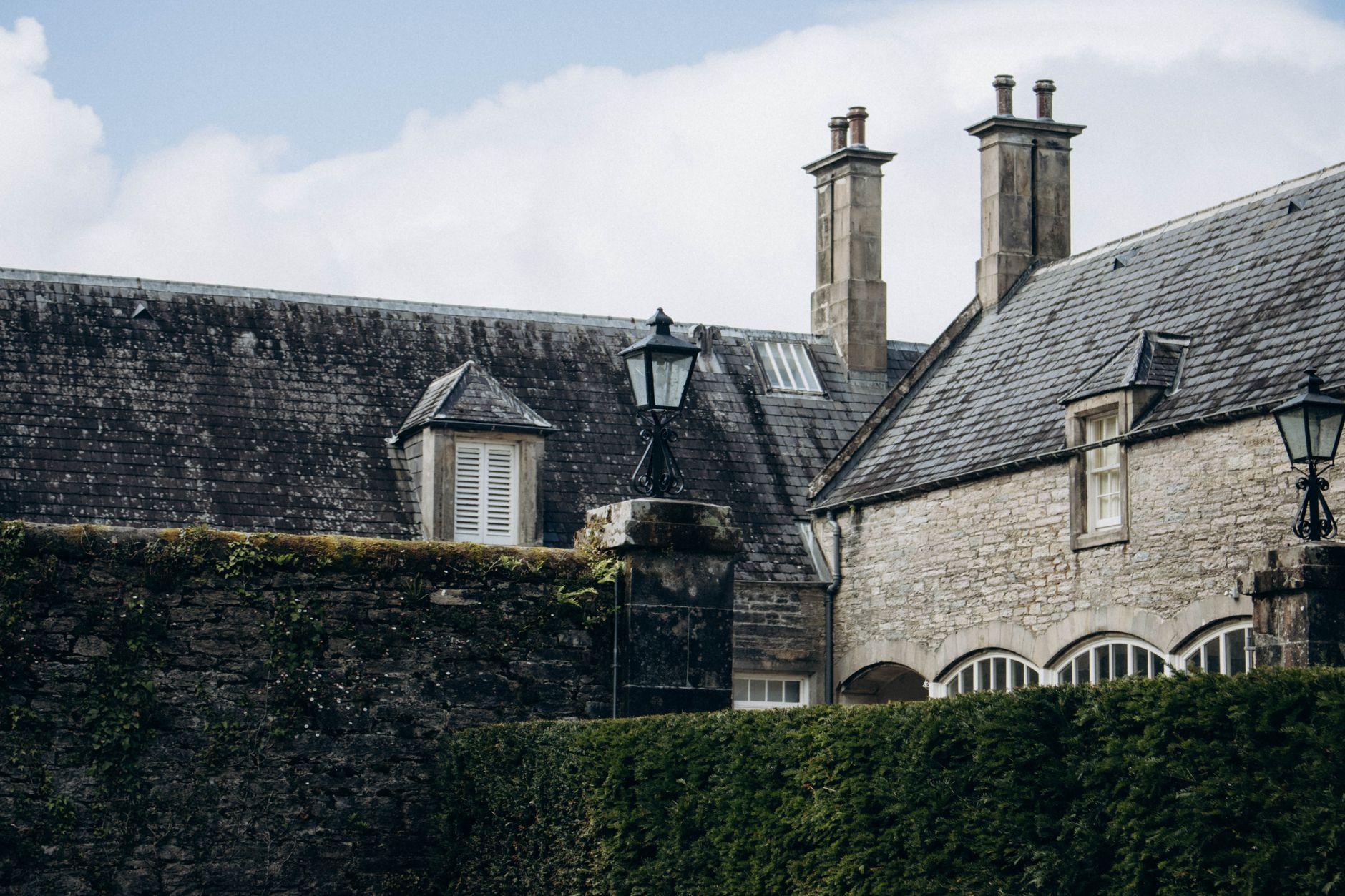
The tenant calls that trace back to a missing cap
Managers rarely hear the word cap from a tenant. They hear about scratching in the wall behind the fireplace, a bird in the firebox, a puddle on the hearth after a storm, or a smell of wet soot in the living room. On a building with open flue tops, those calls repeat every season, and each one costs a service visit.
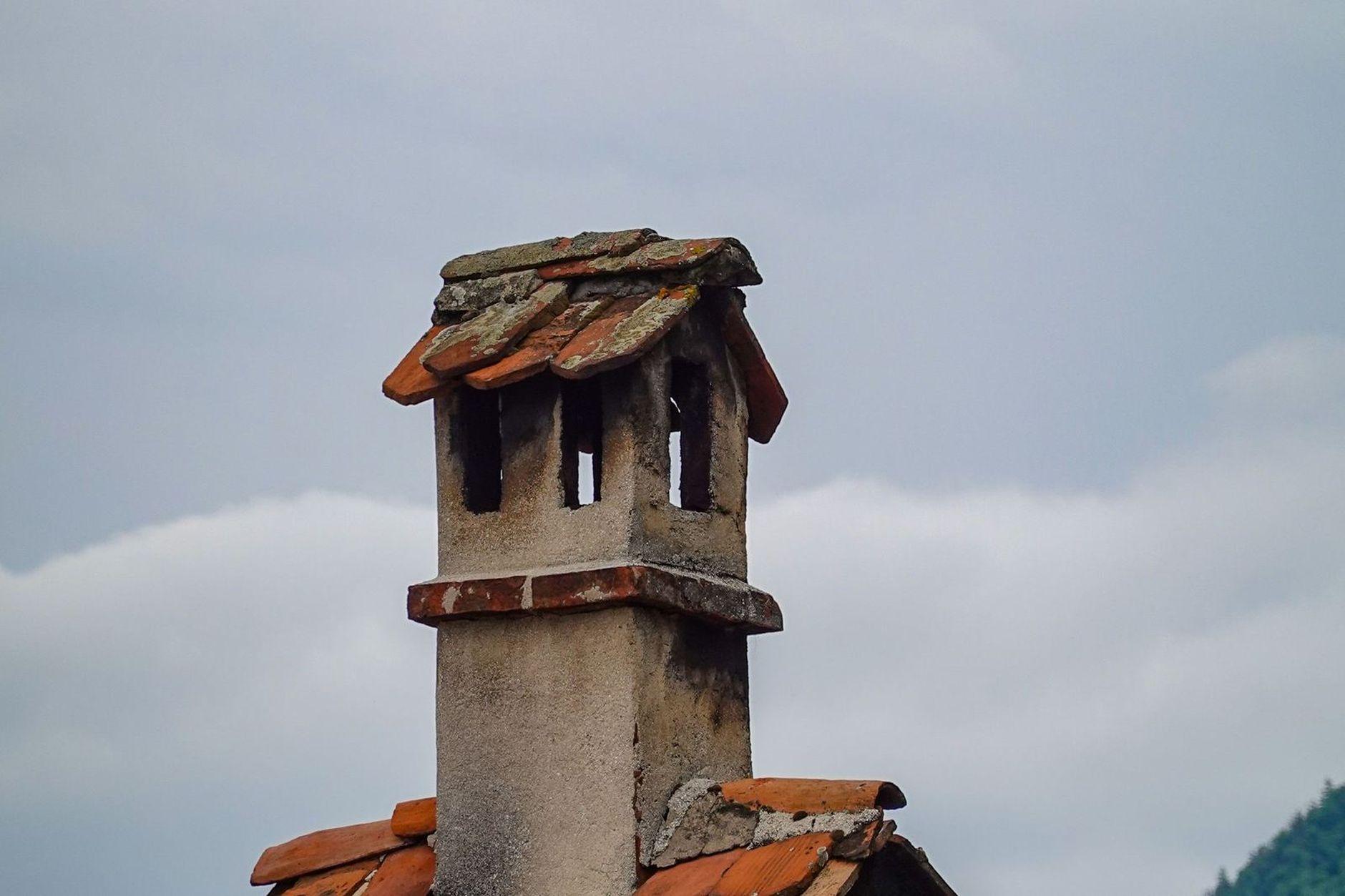
A cap is a small part with a long list of jobs. It sits over the flue opening, keeps animals and debris from getting in, stops wind from pushing straight down the flue, and holds embers back with a screen. On a hillside property near Santa Clarita, that last job matters when Santa Ana winds carry sparks toward dry brush in the fall.
What sets the price of a fitted cap
An installed chimney cap is quoted on site. Caps differ because chimneys differ, and the chimneys on rental buildings vary more than most.
- A single clay flue tile on a small house takes a simple cap that fits over the tile. That is the simplest job.
- A stack with two or three flues side by side often needs one cover that spans them all, made to the measured size of the top. That costs more.
- A large or unusual stack, a cap that has to be made to order, or heavier metal for a building owner who wants it to last costs the most.
- Factory-built metal chimneys, common in condos built from the 1970s on, need the cap the maker lists for that chimney. A generic cap can put the whole system outside what it was tested for.
Every cap price includes taking off any old cap, checking what is under it and fitting the new one. Each chimney on the building is its own line on the quote.
Why a building should be capped in one visit
Capping chimney by chimney, as complaints come in, costs more in the long run. Each trip carries its own setup on the roof, and the tenant calls keep coming from the units nobody got to yet.
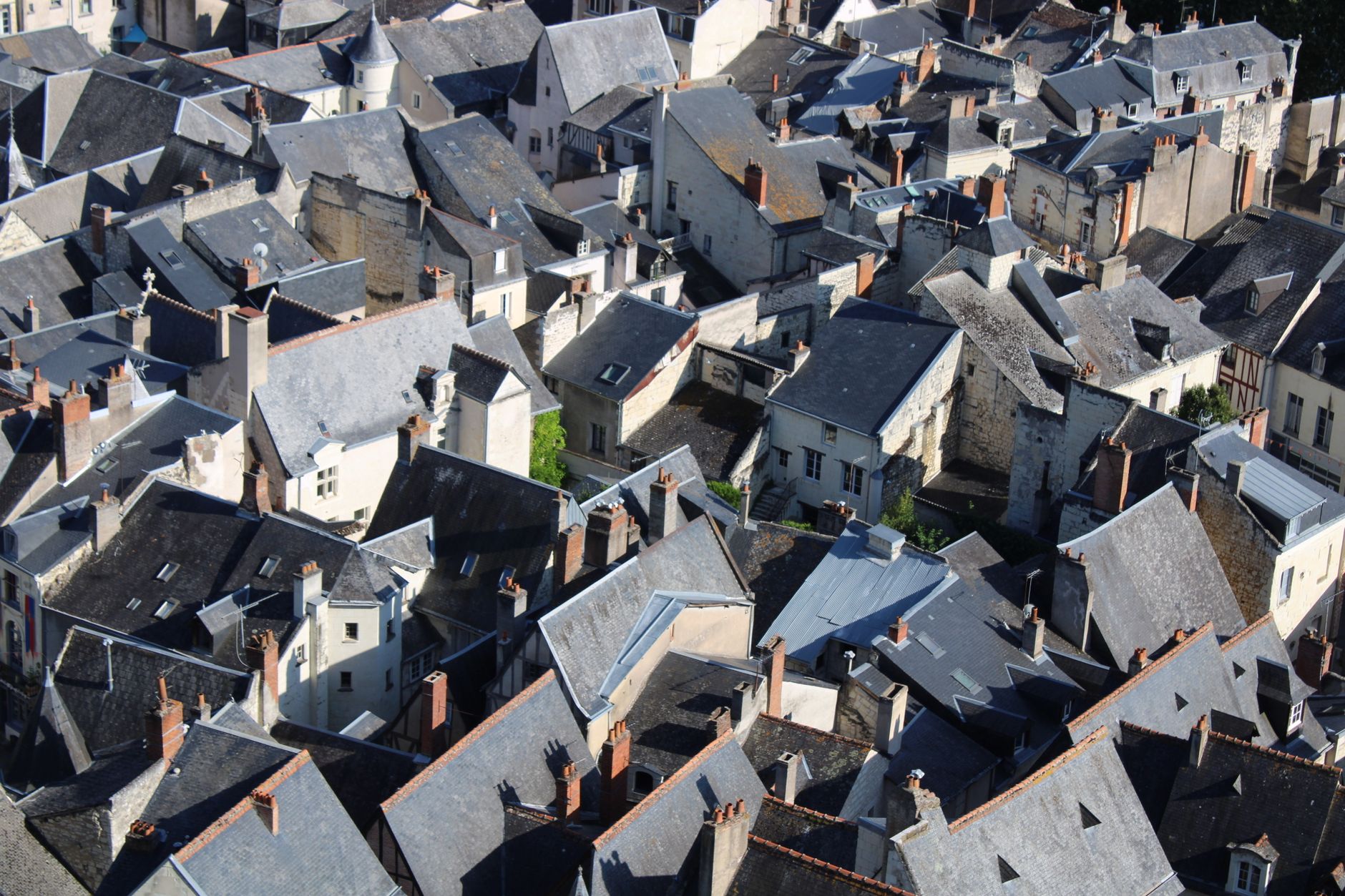
A building visit works the other way. We walk the roof once, measure every flue top, note which ones have caps and what state they are in, and return a quote with one line per chimney. You approve the ones you want, and they are fitted on a single return trip. On a complex with matching buildings, the measurements from the first building often cover the rest.
Request a cap quote for the building with the address, the number of chimneys you can count from the parking lot, and whether any units have reported animals or water.
What we check while we are on the roof
A cap visit puts someone on the roof beside every chimney, so we record what else is there. That way you are not paying for a second trip to learn about it.
- The top surface of each chimney around the flue: cracks, missing pieces, or a surface that holds water.
- The flashing where the chimney meets the roof.
- Loose or leaning brick near the top.
- Signs of animals already living in the flue, which have to be cleared before a cap goes on.
Each item goes on the report under the chimney it belongs to, with a photo, so the owner can decide on it separately. The cap itself does not wait on those decisions unless the top it sits on is too broken to hold it.
Caps and the tenant record
For a rental, a cap fitted and photographed is a record that the owner took a reasonable step against animals, water and embers. The report lists every chimney with its cap type, the date it was fitted and a photo, so a board or insurer can see the whole building at once.
If an owner asks why a quote has more lines than chimneys, the answer is usually a stack with several flues, and the report shows which.
Wood fireplaces, gas units and caps
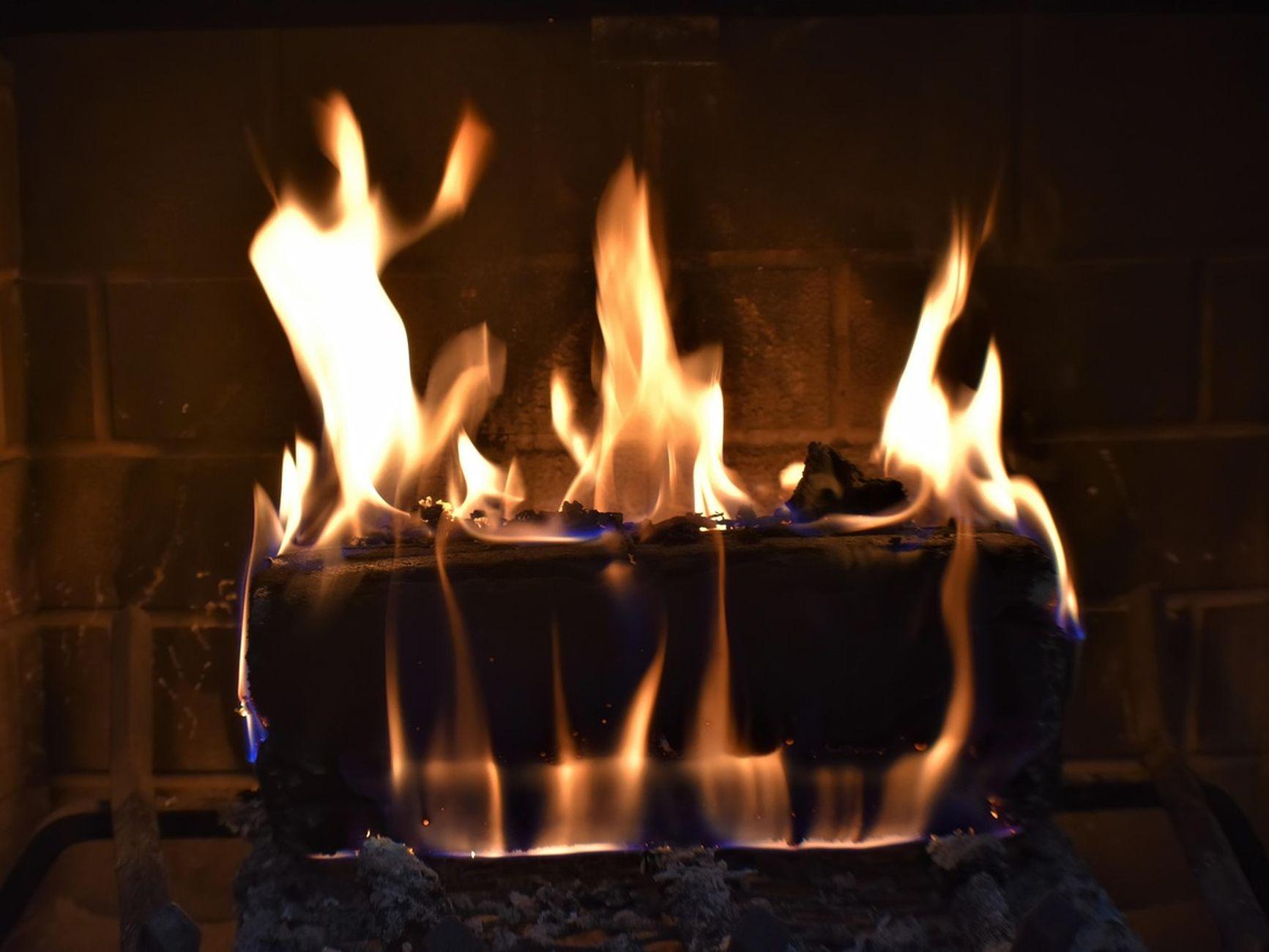
Wood burning flues need a screen that stops embers without clogging, and they need it kept clear. Gas vents use the termination cap the maker designed, and that cap is replaced with the same type when it fails. We do not mix them up: a gas vent never gets a wood flue cap, and the report names which is which for every unit.
Getting the order right with other work
If a building is due for chimney inspections, the cap visit can be folded into the same trip. A $56 visual check per fireplace covers the flue from below and the top from the roof, and the cap lines get added to the same report. For units that need a sweep before the cap goes on, the sweep is from $430 a flue and is listed per unit.
Where the camera visit is needed on a unit, the Level 1 or Level 2 guide explains when that applies.
Where we work
We cap rental buildings across Santa Clarita, and in Calabasas, Pasadena and San Fernando. The chimney cap installation page covers the work in more detail, and the property manager page explains how whole portfolios are handled.
When you have a chimney count for the building, send it with the address through the contact page, and we will book the roof visit and price every cap.
Need This Checked Across Your Units?
Fowler Chimney Care inspects each flue, records what it finds with photos and sends one report per unit with a written price for any repair. Owners and managers book from Santa Clarita, San Fernando, Pasadena, Calabasas and the other towns we cover.